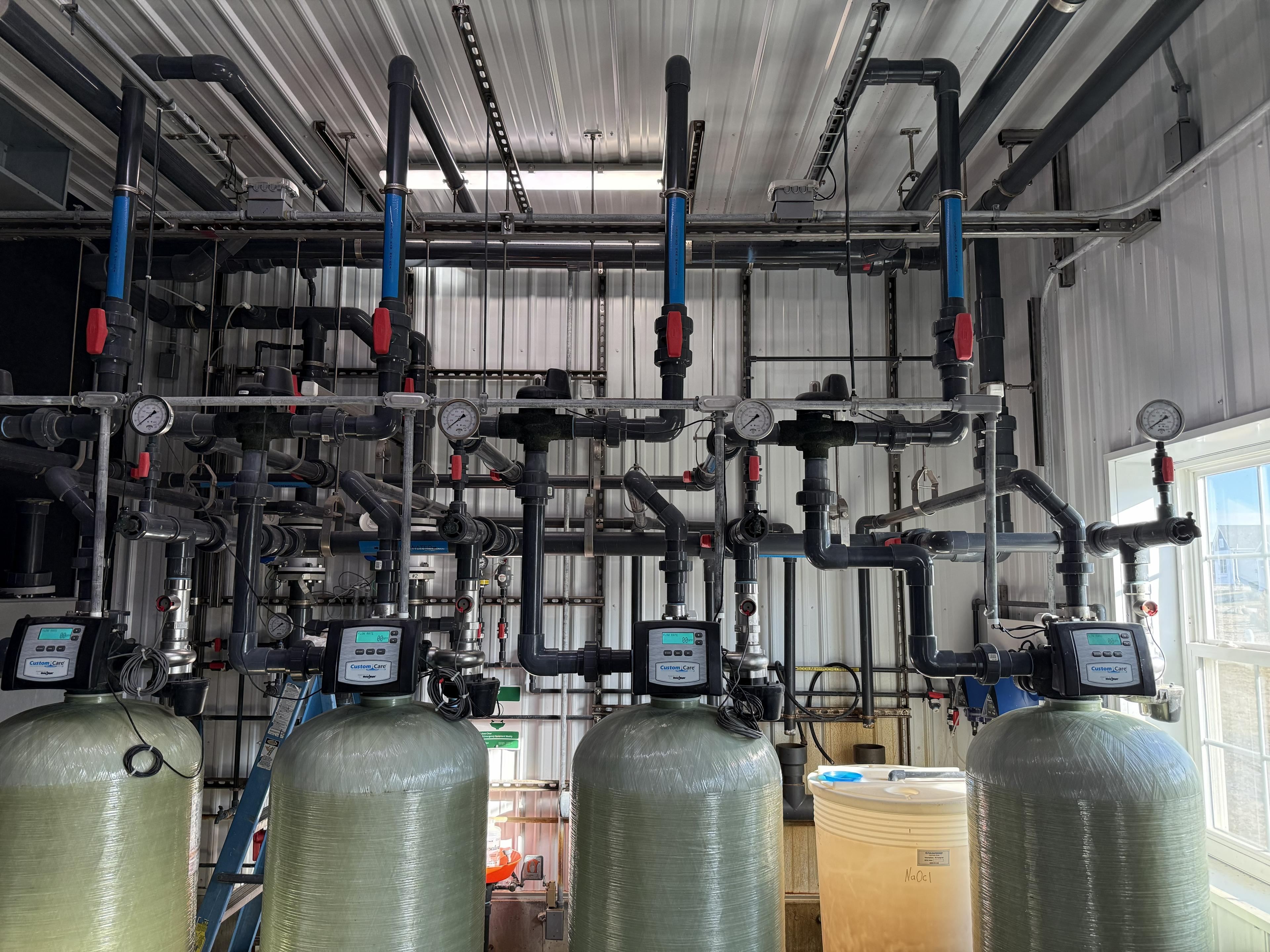
What Is a Wastewater / Package Treatment Plant?
Understanding permitting regulation and the operation of wastewater treatment systems.
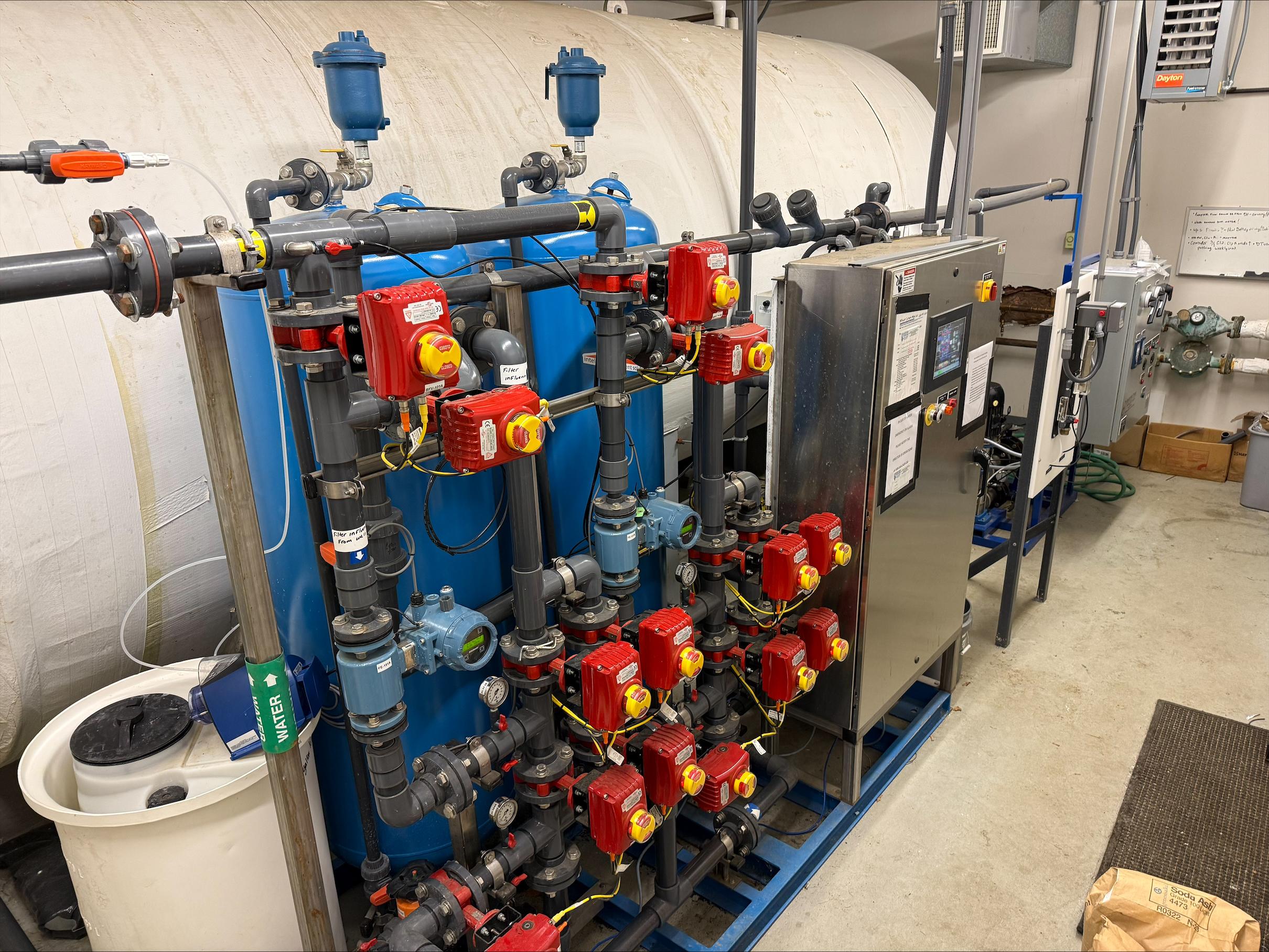
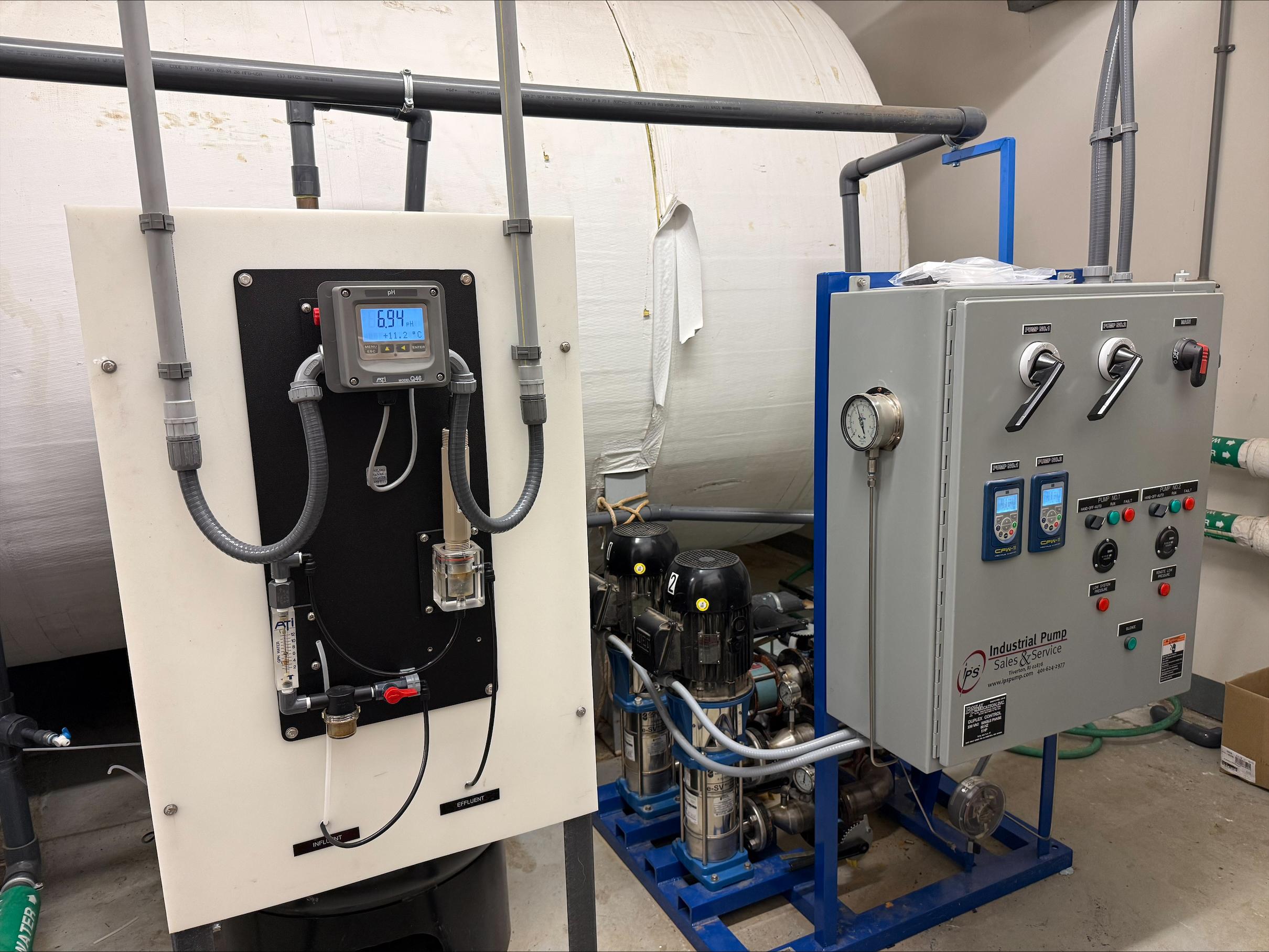
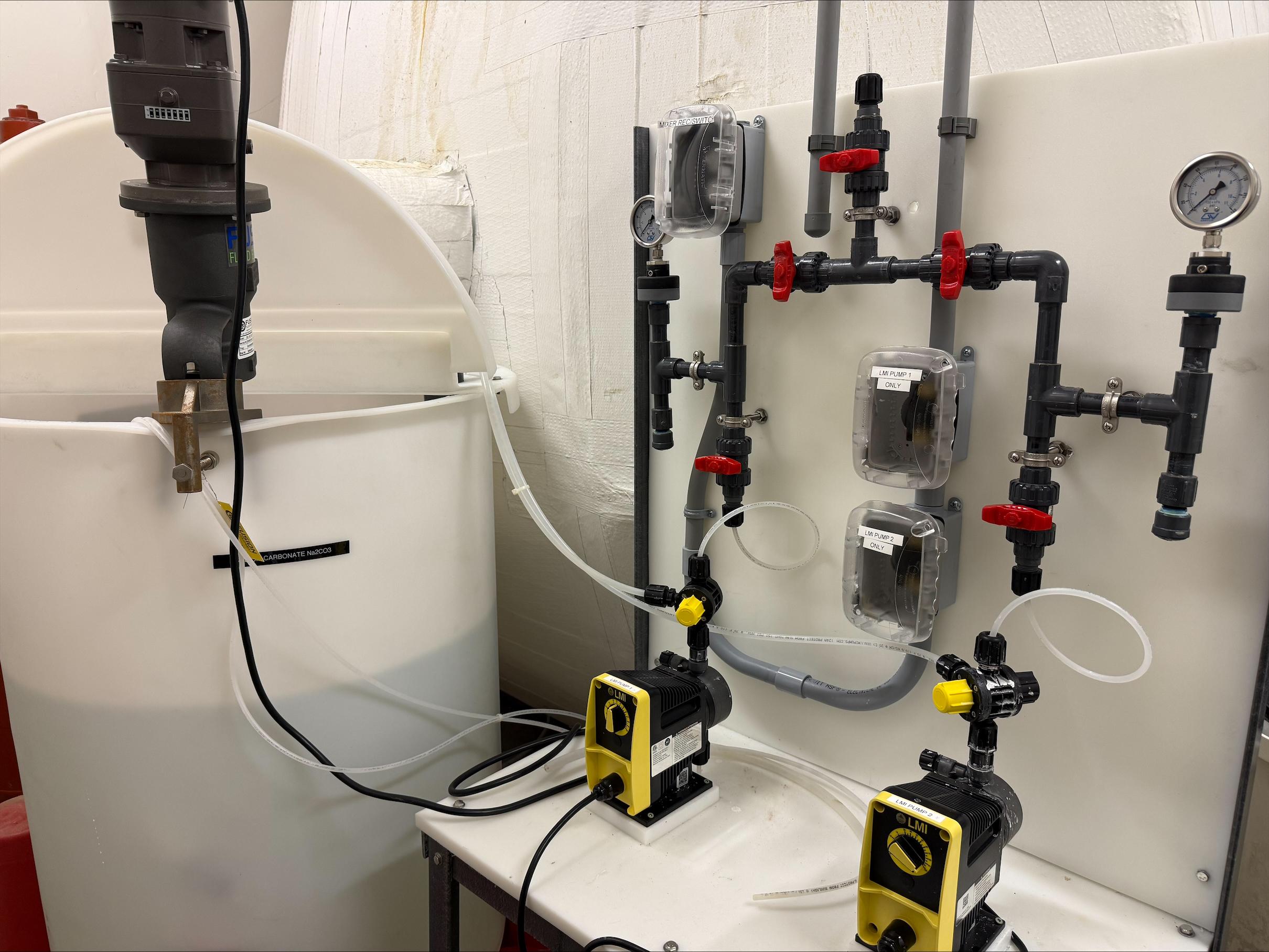
A wastewater treatment plant treats sewage and wastewater before it is released back into the environment. Package treatment plants are compact, pre-engineered treatment systems commonly used for small communities, commercial developments, and facilities that are not connected to a municipal sewer system.
These systems are typically designed and regulated based on average daily flow, expressed in gallons per day (GPD), and are subject to permit limits tied directly to flow and treatment performance.
What a Wastewater or Package Treatment Plant Does
At a basic level, a wastewater or package treatment plant:
- •Receives wastewater from buildings or homes
- •Treats wastewater based on its permitted flow capacity (GPD)
- •Removes solids and organic material
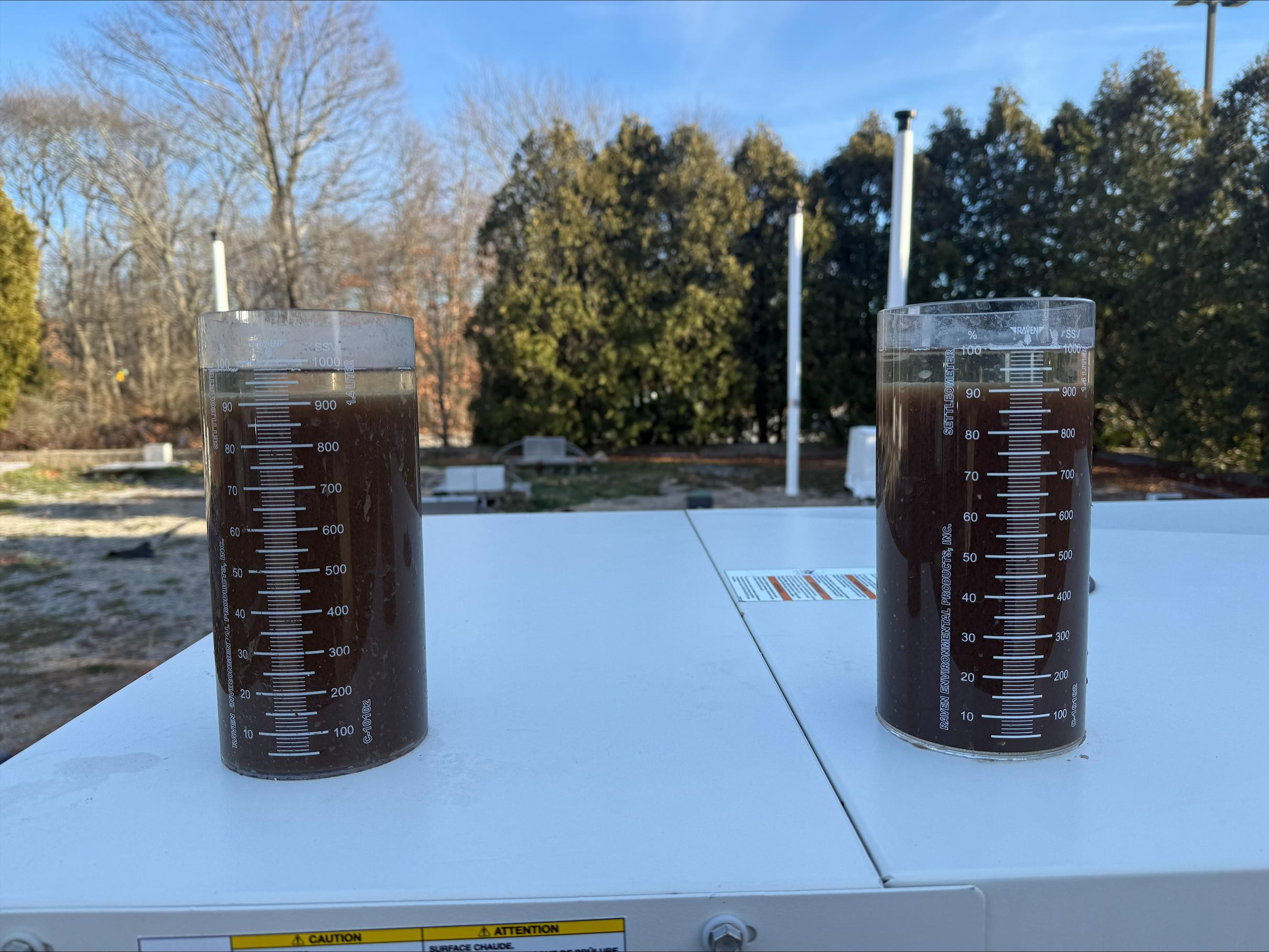
- •Uses biological processes to treat wastewater
- •Produces treated effluent that meets permit limits
- •Manages and stabilizes residual solids (sludge)
Flow volume, measured in gallons per day, is a critical design and regulatory parameter that influences treatment capacity, process performance, and permit requirements.
Common Types of Package Treatment Systems
Package treatment plants may utilize different treatment processes, including:
- •Extended aeration systems
- •Sequencing Batch Reactors (SBR)
- •Membrane Bioreactors (MBR)
- •Fixed-film or hybrid biological systems
Each system type is selected based on site conditions, wastewater characteristics, permitted GPD, and regulatory treatment requirements.
Why Wastewater Systems Are Regulated
Wastewater treatment systems are regulated to:
- •Protect groundwater and surface waters
- •Prevent public health risks
- •Control nutrient, solids, and flow-based discharges
- •Ensure consistent treatment performance within permitted GPD limits
Exceeding permitted flow rates can impact treatment effectiveness and may result in regulatory noncompliance.
Typical Components of a Package Treatment Plant
A package wastewater treatment plant may include:
- •Influent or equalization tanks sized for peak and average GPD
- •Biological treatment tanks
- •Aeration equipment
- •Clarification or membrane systems
- •Disinfection systems, where required
- •Effluent discharge structures
System Owner Responsibilities
Wastewater and package treatment plants are owned by a designated system owner, who is responsible for ensuring the facility is operated and maintained in accordance with permit conditions, including permitted gallons per day (GPD) limits.
System owner responsibilities typically include:
- ✓Maintaining compliance with discharge permits and approved flow limits
- ✓Ensuring qualified operator oversight and staffing
- ✓Monitoring influent and effluent flows
- ✓Maintaining treatment equipment and infrastructure
- ✓Completing required sampling, monitoring, and reporting
- ✓Responding to permit violations, inspections, and enforcement actions
- ✓Managing residuals, solids handling, and disposal
Operational support and technical assistance may be provided by contractors or consultants; however, compliance responsibility for wastewater treatment facilities remains with the system owner.
Package wastewater treatment plants play a critical role in environmental protection, particularly where centralized sewer systems are not available and treatment capacity is directly tied to permitted flow rates.
For questions about specific services, system needs, or to discuss how we may be able to support your system, please contact MPWater Systems.
Contact MPWater Systems