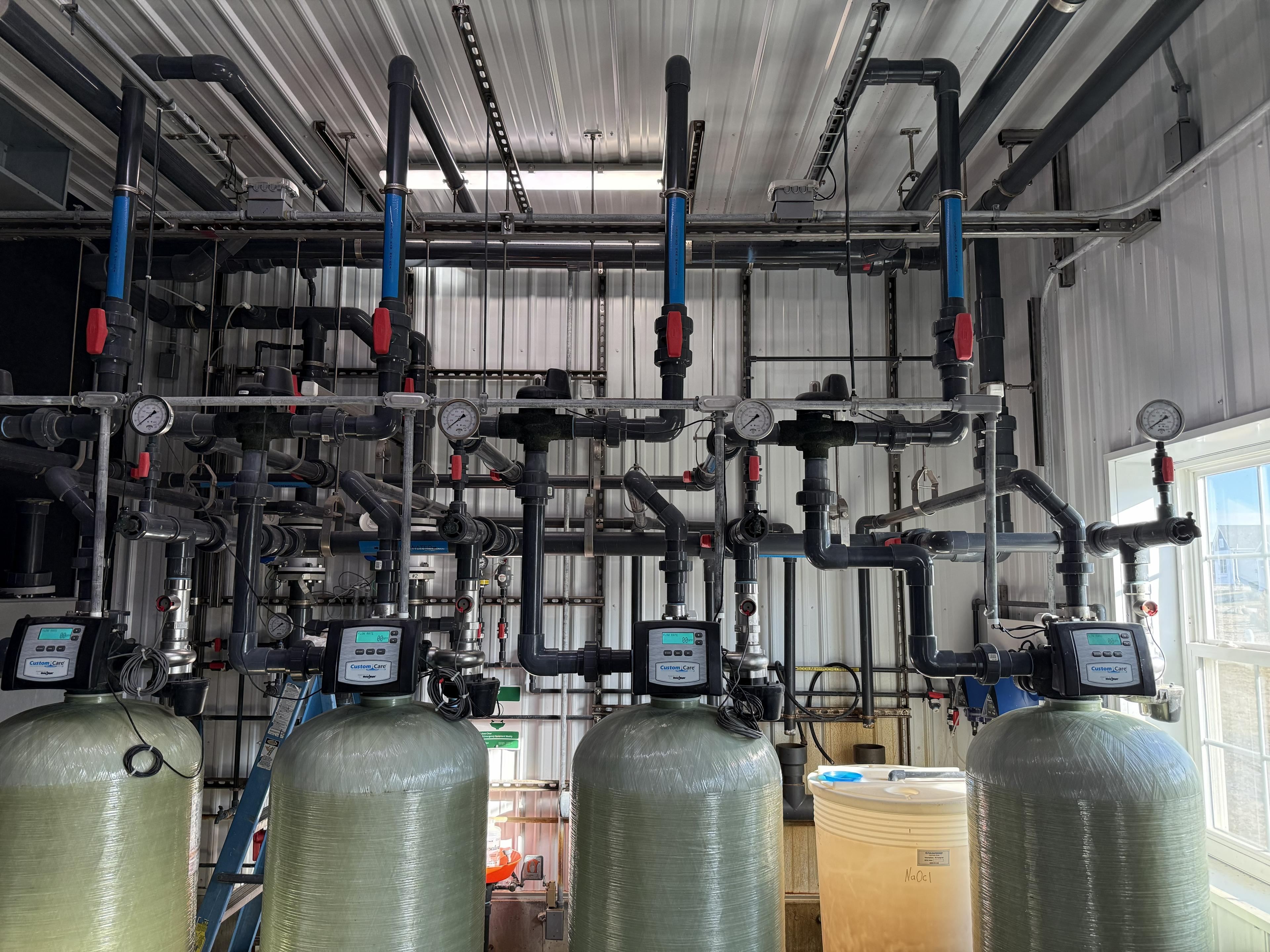
What Is a Public Water Supply (PWS)?
Understanding the classification, regulation, and management of public drinking water systems.
A Public Water Supply (PWS) is any water system that provides drinking water to the public and meets state and federal definitions for regulation. These systems are regulated to ensure safe, reliable drinking water for the people they serve.
In Massachusetts and Rhode Island, Public Water Supplies are overseen by state drinking water programs and are subject to routine monitoring, reporting, and operational requirements.
Types of Public Water Supplies
Public Water Supplies are generally classified into the following categories:
Community Water Systems (COM)
Serve the same population year-round, such as residential communities or municipal systems.
Non-Transient Non-Community Water Systems (NTNC)
Serve the same group of people regularly, but not on a residential basis, such as schools, factories, or office buildings.
Transient Non-Community Water Systems (TNC)
Serve different populations intermittently, such as restaurants, campgrounds, or highway rest areas.
Regulatory Focus
Public Water Supply regulations are designed to protect public health and typically focus on:
- •Drinking water quality
- •System reliability and operational oversight
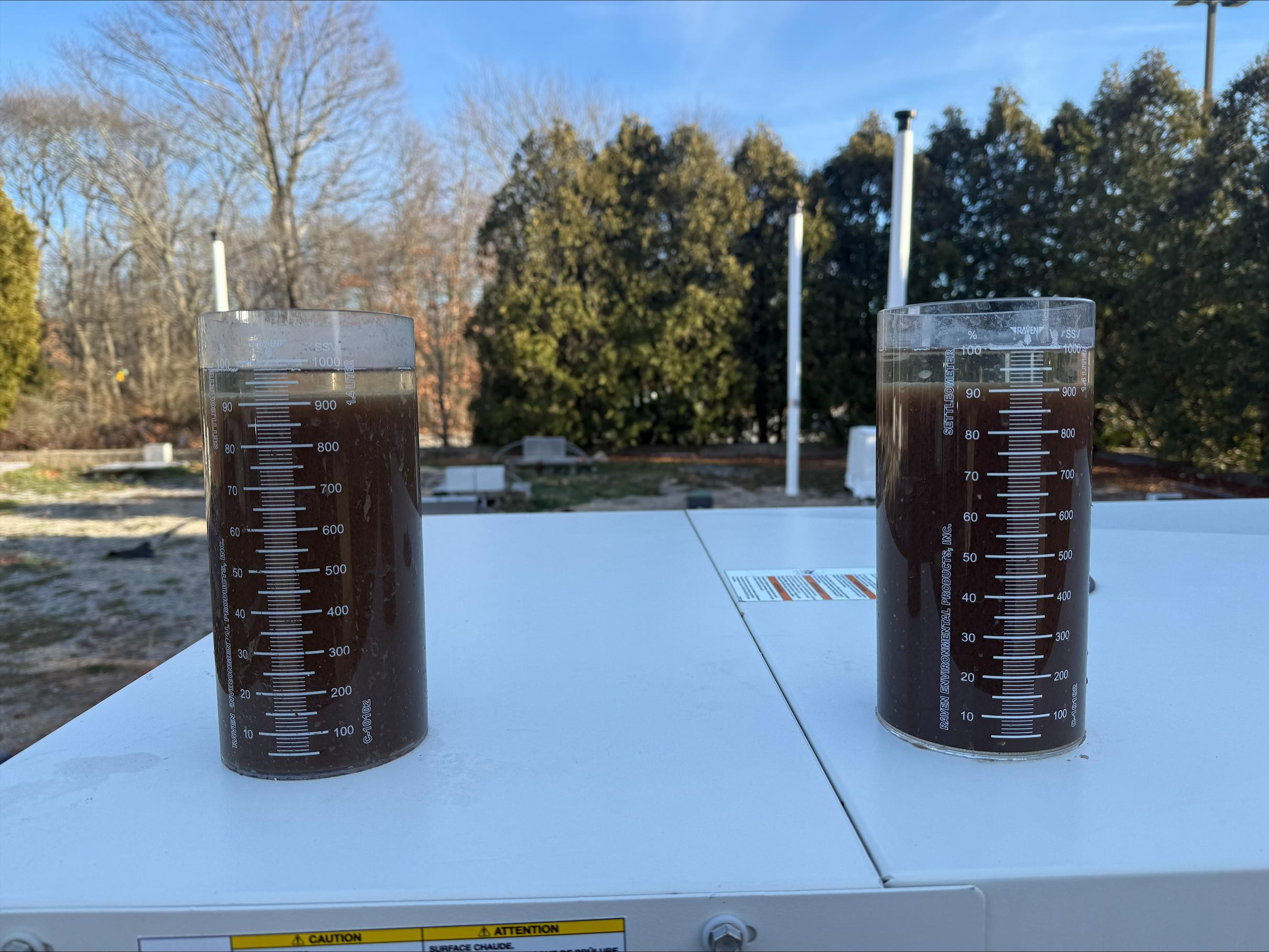
- •Routine water quality sampling
- •Proper documentation and reporting
- •Maintenance of system infrastructure
Common Components of a Public Water Supply
A typical Public Water Supply system may include:
- •Groundwater wells or surface water sources
- •Pumps and piping
- •Water storage tanks
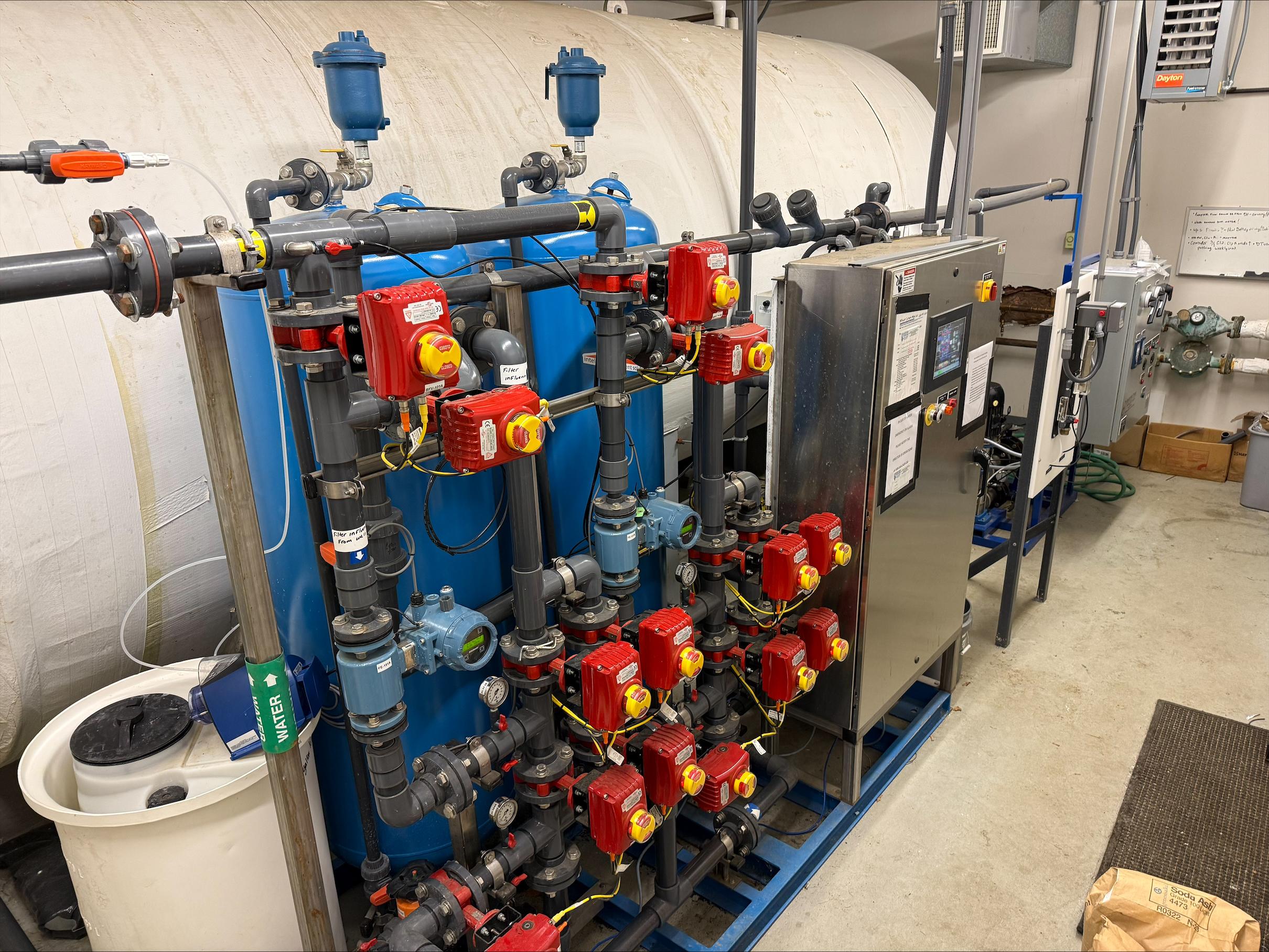
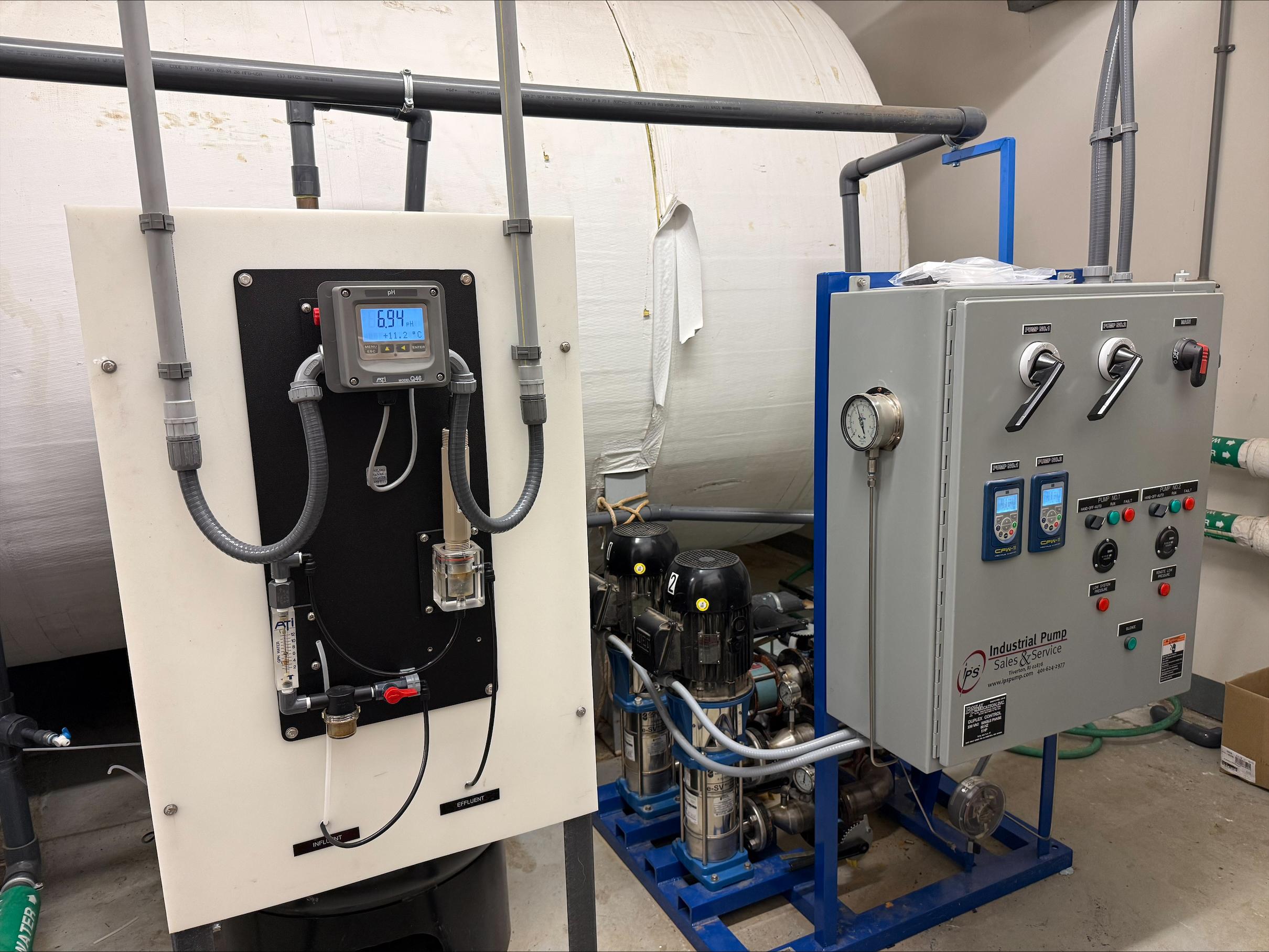
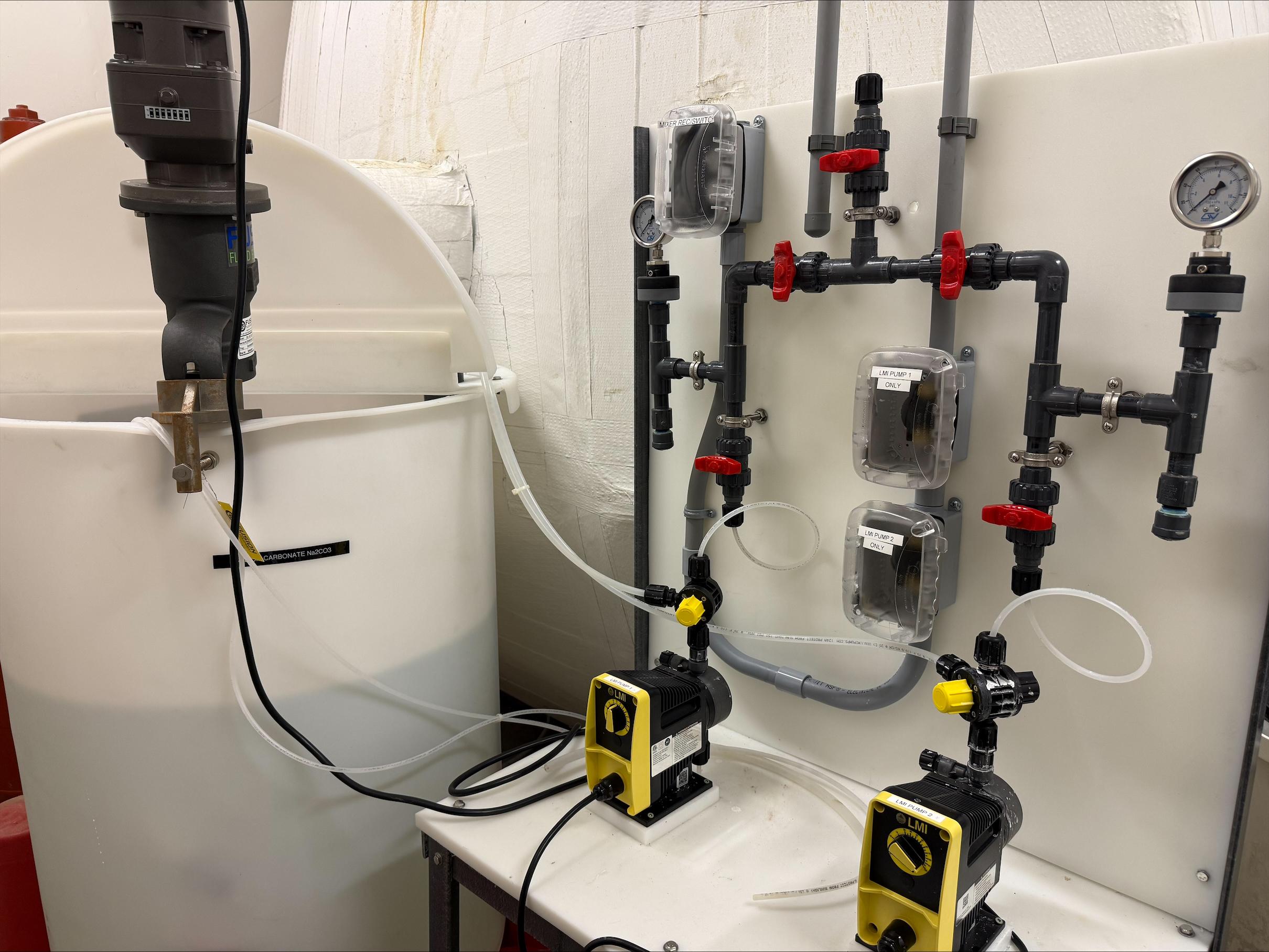
- •Treatment equipment, if required
- •Distribution piping
- •Monitoring and alarm systems
System Owner Responsibilities
Public Water Supplies are owned and operated by a designated system owner, who retains ultimate responsibility for the operation, maintenance, and regulatory compliance of the system.
System owner responsibilities typically include:
- ✓Ensuring the system is operated in compliance with applicable state and federal drinking water regulations
- ✓Maintaining required operator oversight and licensure
- ✓Completing required water quality monitoring and reporting
- ✓Maintaining system infrastructure, treatment equipment, and distribution systems
- ✓Responding to regulatory notices, inspections, and corrective actions
- ✓Ensuring accurate records and documentation are maintained
While operational support, technical assistance, and coordination may be provided by third parties, regulatory responsibility for a Public Water Supply remains with the system owner.
Understanding how Public Water Supplies are classified, regulated, and managed is an important part of maintaining a safe and compliant drinking water system.
For questions about specific services, system needs, or to discuss how we may be able to support your system, please contact MPWater Systems.
Contact MPWater Systems